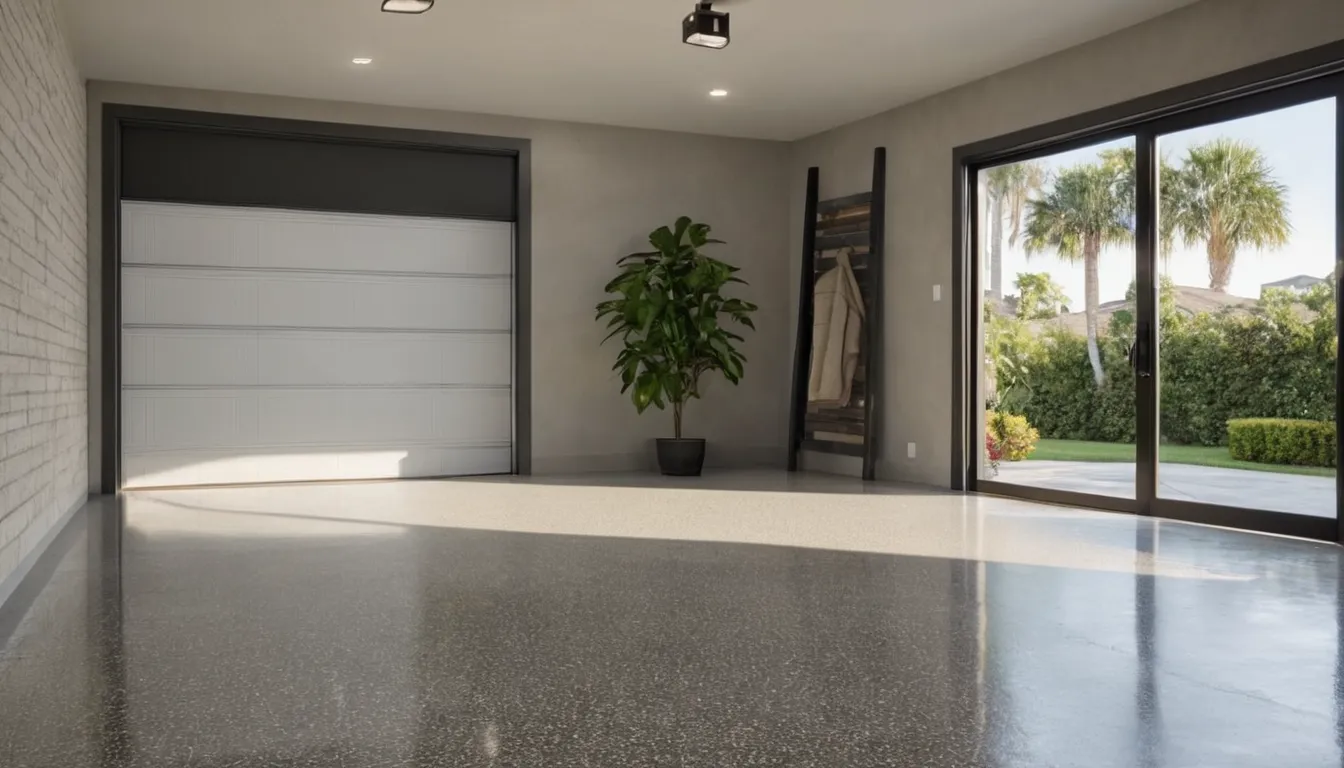
Polyaspartic Floor Coating for Garages and Slabs
Request your estimate today
Wondering if polyaspartic is right for your garage? It is a tough concrete coating that cures fast. Many providers use it as a clear or lightly tinted top layer over a base coat, and some use it for the whole system.
The timeline is the big draw. A quicker cure can mean less time with your car parked outside. Timing still shapes results, though. Slab moisture, heat and humidity all matter. Preventionsystems Floor Coating is a referral service. Independent providers in our network do the coating work. We help you ask good questions first, then request an estimate with no obligation.
Need Your Garage Back Quickly?
Here is the first thing most people ask. How long will my garage be out of use? Polyaspartic is popular because it cures faster than many other coatings. Some providers finish a garage in a day or two. Others take longer, depending on the system and the slab.
Timing shapes results. A fast cure only helps if the prep was done right. So ask about the whole schedule, not just coating day.
What Happens in the First Hours?
Once the coating goes down, the clock starts. Polyaspartic can set up in a short window. That is why providers work in small sections and move with purpose.
In a humid climate, this matters even more. Heat and moisture in the air can change how the coating flows and cures. A good provider plans the start time around the weather.
What Happens in the First Days?
When can I walk on it? Often within hours to a day, depending on the product. When can I park on it? Many providers say a day or more. Ask for their exact numbers in writing.
Do not rush it. Heavy loads too early can mark a fresh floor. A small wait can save you a redo.
How Is Polyaspartic Different From Epoxy?
Think of epoxy as the classic choice and polyaspartic as the fast one. Epoxy is often thick and works well as a base layer. Polyaspartic usually cures quicker and resists sun yellowing better.
It can cost more per square foot. Many homeowners feel the trade is fair for a shorter project and a tougher top layer.
Full Polyaspartic or a Hybrid System?
Do I need all polyaspartic, or just the top? Both are common. A hybrid uses an epoxy base with a polyaspartic topcoat. A full system uses polyaspartic in every layer.
Hybrids can fit tighter budgets. Full systems can shorten the job even more. Ask the provider why they suggest one over the other.
How Does the Installation Process Work?
Prep comes first. The provider checks the slab, fills cracks and grinds the surface so the coating can bond. Skipping this step is the most common reason coatings fail.
Next comes the base coat, then color flakes if you want them, then the clear topcoat. Each layer has a short window to be applied.
Does Moisture in My Slab Matter?
Yes, a lot. Most homes here sit on concrete slabs with few basements. Moisture can rise through the slab, especially after heavy storms. That moisture can push a coating up from below.
Ask the provider how they test the slab. Good answers mention a moisture test, not just a quick look.
Where Does Polyaspartic Work Well?
Garages are the star. It also suits patios, lanais, porches, walkways and pool decks where sun hits hard. Some providers use it in workshops and laundry rooms too.
Planning custom floor finishes? Many providers offer flake blends, solid colors and gloss levels. A quick conversation can show what is possible on your slab.
How Do Weather and Seasons Play In?
Can I coat during storm season? Often yes, but plan around the forecast. Daily summer storms and hurricane season can delay a job. High humidity can slow prep and affect cure.
Some homeowners book in drier weeks to avoid delays. Ask your provider what they do when rain rolls in mid-project.
How Do I Pick Colors and Flake Blends?
Flakes hide dust and small marks. Lighter blends brighten a dim garage. Darker ones hide tire marks. Ask to see a sample in your own light.
A concrete coating with flakes also adds grip. Ask about adding texture if the floor gets wet.
How Do I Care for the Floor?
Keep it simple. Sweep or dust mop often. Wipe spills when you see them. Use a mild cleaner and a soft mop. Skip harsh scrubbing tools.
Over the seasons, a quick rinse after storms keeps grit from dulling the shine.
What Should I Ask a Provider?
Questions before coatings. Try these:
- How do you prep and test the slab?
- What system do you use, and why?
- What is the cure time before foot and car traffic?
- What happens if humidity is high on the day?
- What does the written quote include?
Good answers are clear and specific. Red flags include vague timing, no prep plan and pressure to sign fast.
What's Included
Surface Prep
Providers grind the slab, repair cracks and clean the surface so the coating can bond well.
Base and Color
A base coat goes down first, with solid color or decorative flakes added before sealing.
Clear Topcoat
A polyaspartic top layer adds shine, resists sun yellowing and helps protect against daily wear.
Cure Plan
Your provider explains when you can walk and park on the finished floor.
Typical Polyaspartic Coating Costs in the U.S.
Prices vary by slab condition, size, system and region. These are typical U.S. ranges, not quotes. Ask each provider for a written estimate that lists prep, materials and any extras.
| Item | Typical range | Notes |
|---|---|---|
| Two-car garage, hybrid system | $2,500 – $5,500 | Epoxy base with polyaspartic top |
| Two-car garage, full polyaspartic | $3,500 – $7,000 | Often shorter project time |
| Per square foot, installed | $5 – $12 | Depends on prep and flakes |
| Crack and joint repair | $200 – $800 | Varies with damage level |
| Heavy grinding or old coating removal | $300 – $1,200 | Extra work adds cost |
| Moisture testing or sealing | $100 – $600 | Important for slab homes |
How It Works
Request an Estimate
Tell us about your garage or slab, its size and what you want from the finish.
Get Matched Locally
We connect you with a provider in our network who handles polyaspartic coating.
Compare Your Answers
Use our questions to compare prep, timing and written quotes from the provider.
Choose and Schedule
Pick a provider and plan the job around your weather and calendar.
Why Call Preventionsystems Floor Coating
Questions Come First
Learn what to ask a provider before you commit, so you can compare answers with confidence.
Local Providers
Independent providers in our network do the work and know slab homes in your climate.
Estimate First
Start with the request form. Call is there as a backup if you prefer to talk.
Honest Role
We refer you. We do not install. Providers handle the coating itself.
Other Services
Need polyaspartic floor coating in Plant City?
Tell us about your garage or concrete floor and request an estimate. A local provider in our network will reach out. Prefer talking? Request a callback to check provider availability.
No obligationPolyaspartic Floor Coating FAQ
- How long does polyaspartic floor coating take to cure?
- It often cures faster than epoxy. Many floors allow light foot traffic within hours and vehicles after a day or more. The exact time depends on the product, humidity and temperature, so ask your provider for specific numbers in writing.
- Is polyaspartic better than epoxy for a garage?
- It depends on your goals. Polyaspartic cures faster and resists sun yellowing. Epoxy often costs less and works well as a base. Many providers combine both in a hybrid system.
- Can polyaspartic be applied in humid weather?
- Often yes, but humidity can affect prep and cure. A good provider checks the forecast and slab moisture first, then plans the timing so the coating bonds properly.
Tell us what happened
Tell us about your garage or concrete floor and request an estimate. A local provider in our network will reach out. Prefer talking? Request a callback to check provider availability.
No obligation